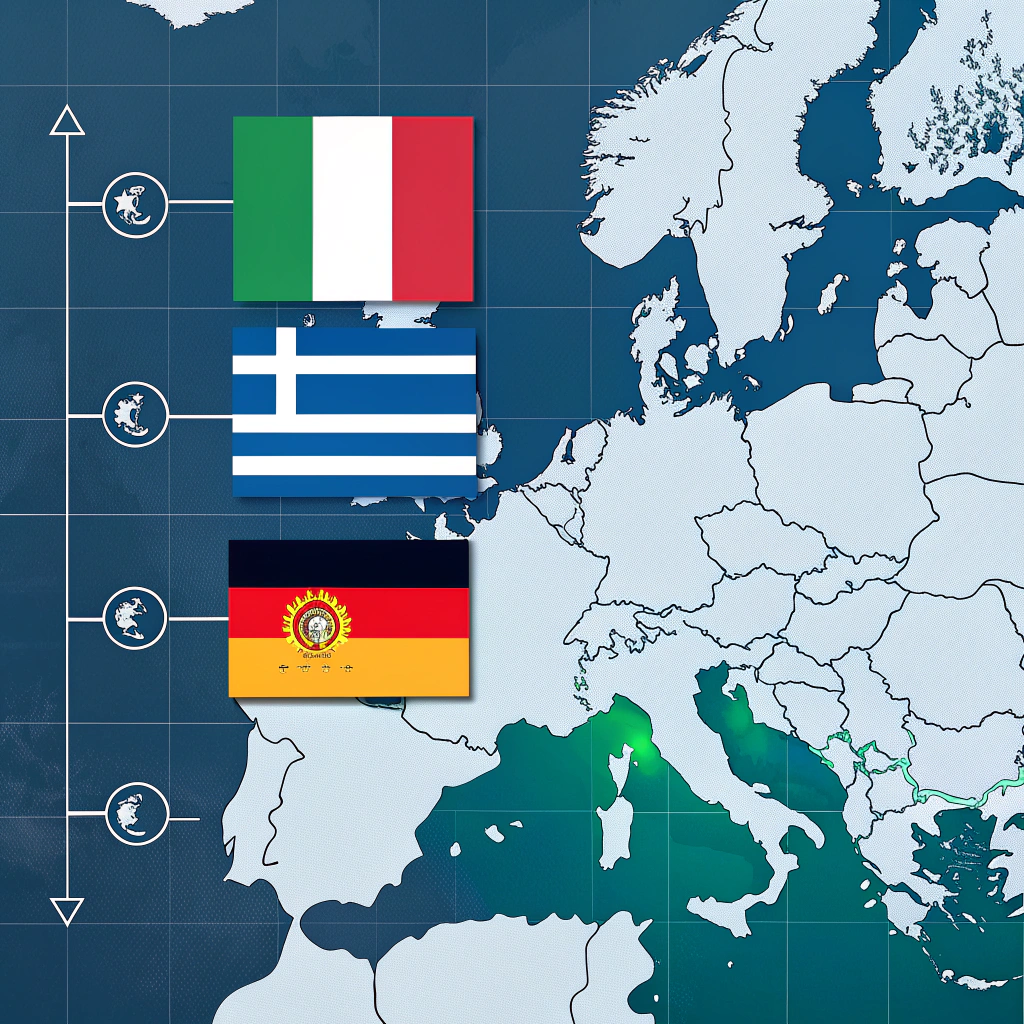
introduction Inflation Impacts
How Inflation Impacts Different Eurozone Countries Inflation doesn’t hint the eurozone evenly. Even with a shared currency and a single interest-rate policy, price increases affect countries differently based on income levels, energy exposure, housing markets, and labor structures. That’s why the same inflation number can feel mild in one country and painful in another.
This matters because eurozone inflation headlines often sound uniform—“eurozone inflation rises”—while household experiences diverge sharply. Understanding the channels through which inflation spreads helps explain political tensions, policy debates, and why some countries push for tighter policy while others resist it.
FAQs Inflation Impacts
Conclusion Inflation Impacts
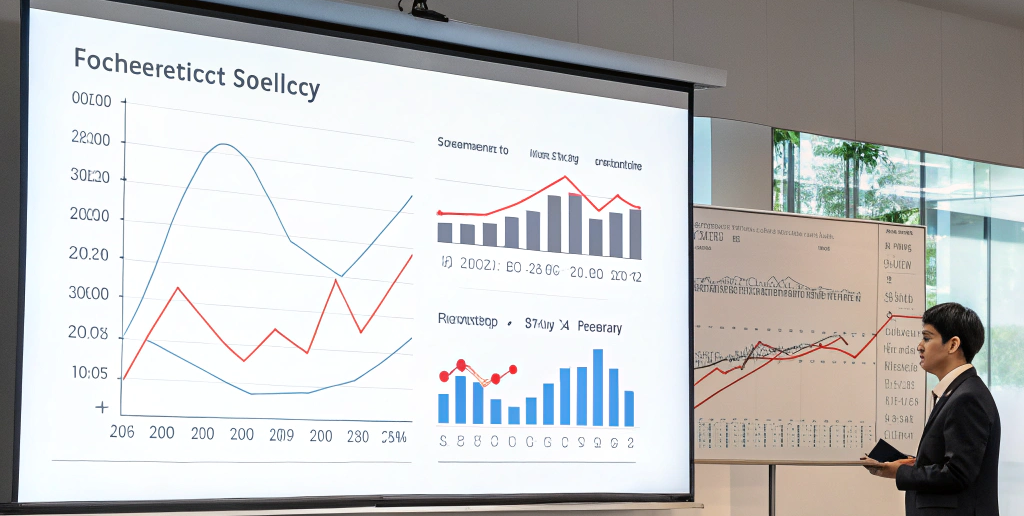
- The Short Answer (Featured-Snippet Ready)
Inflation impacts eurozone countries differently because energy exposure, housing systems, wage structures, and income levels vary, even though all countries share the same currency and interest rates.
- Why Inflation Isn’t Uniform Across the Eurozone
A shared currency does not mean shared economic conditions. Inflation is shaped by:
what households spend money on,
how prices are regulated,
how wages adjust,
how exposed the economy is to global shocks.
A uniform price shock—like higher energy costs—filters through national economies in very different ways.
[Expert Warning]
A single inflation rate hides large national differences beneath the surface.
- Energy Dependence and Price Pass-Through
Energy is one of the biggest inflation drivers—and countries vary widely in exposure.
Countries that:
import more energy,
rely heavily on gas,
lack domestic alternatives,
feel price shocks faster and more intensely.
Others with:
diversified energy mixes,
domestic production,
price caps or subsidies,
see slower or softer pass-through to consumers.
This is why energy-driven inflation feels immediate in some places and muted in others.
- Housing Markets: Renters vs Owners
Inflation Impacts Housing inflation behaves very differently across the eurozone.
Key differences include:
homeownership rates,
fixed vs variable mortgage prevalence,
rent controls and lease lengths.
In countries where:
variable-rate mortgages dominate,
housing costs adjust quickly,
inflation hits households faster when rates rise.
In countries with:
long fixed-rate loans,
regulated rents,
the impact is delayed—but not eliminated.
[Pro-Tip]
Housing inflation is often a timing issue, not a severity issue.
- Wages, Contracts, and Indexation
Inflation Impacts Wage dynamics strongly influence how inflation feels.
Some eurozone countries have:
automatic wage indexation,
strong collective bargaining,
frequent contract renegotiation.
Others rely on:
flexible labor markets,
slower wage adjustments,
decentralized bargaining.
Where wages adjust quickly, inflation pain is cushioned—but risks becoming persistent. Where wages lag, purchasing power falls first.
- Consumption Patterns and Income Levels
Inflation Impacts Inflation hurts lower-income households more because:
essentials take a larger share of spending,
price increases are less avoidable,
savings buffers are thinner.
Countries with:
higher average incomes,
broader social transfers,
can absorb price shocks more easily.
This explains why the same inflation rate triggers different political responses across the eurozone.
- Information Gain: Why One Policy Can’t Fit All
Inflation Impacts A common question is:
“Why doesn’t one interest-rate policy solve inflation everywhere?”
Because:
inflation sources differ by country,
timing of impact varies,
national tools (taxes, subsidies) interact differently.
A rate hike that cools demand in one economy may barely touch cost-driven inflation in another.
This is the eurozone’s central challenge: one monetary tool, many inflation paths.
- Practical Table: Inflation Drivers by Country Type
| Country Profile | Main Inflation Driver | Household Impact |
| Energy-import dependent | Energy prices | Immediate |
| High homeownership, fixed loans | Goods inflation | Gradual |
| Variable-rate mortgage markets | Interest rates | Fast |
| Strong wage indexation | Wage-price loop | Persistent |
| Lower-income profiles | Food & energy | Severe |
- Common Misunderstandings
Misunderstanding 1: Inflation affects everyone equally
→ It doesn’t
Misunderstanding 2: Rate hikes help all countries
→ Effects vary
Misunderstanding 3: Wage increases always solve inflation
→ They can entrench it
Misunderstanding 4: Energy shocks are temporary everywhere
→ Structure determines duration
[Expert Warning]
Inflation is economic—but its consequences are social and political.
- UNIQUE SECTION — Real-World Household Comparison
Household A lives in a country with:
variable-rate mortgages,
high energy imports,
slow wage adjustment.
Inflation raises bills immediately and rate hikes increase loan payments quickly.
Household B lives in a country with:
fixed-rate mortgages,
regulated energy prices,
indexed wages.
Inflation feels slower—but persists longer.
Both face inflation—but experience it differently.
- How to Read Eurozone Inflation Data Properly
When you see inflation data:
Look beyond the eurozone average
Check energy vs core inflation
Note wage growth differences
Consider housing structure
Watch policy responses at the national level
This adds context missing from headline numbers.
YouTube Embed (Contextual & Playable)
Embed an explainer such as:
“Why Inflation Feels Different Across Europe”
Choose an economics-education channel that explains energy, housing, and wage dynamics clearly.
- FAQs (Schema-Ready)
Why do some eurozone countries have higher inflation?
Energy exposure, housing, and wage systems differ.
Does the euro cause inflation differences?
No—structure does.
Can interest rates fix all inflation?
No—only demand-driven components.
Why do wage increases differ across countries?
Labor systems and contracts vary.
Will inflation eventually converge?
Some components may—but timing differs.
Internal link
https://dailyeuros.com/index.php/2026/01/09/https-dailyeuros-com-index-php-2026-01-09-why-eurozone
External link
https://data.ecb.europa.eu/blog/blog-posts/why-inflation-differs-across-countries?utm_source