Introduction Euro Hit Parity
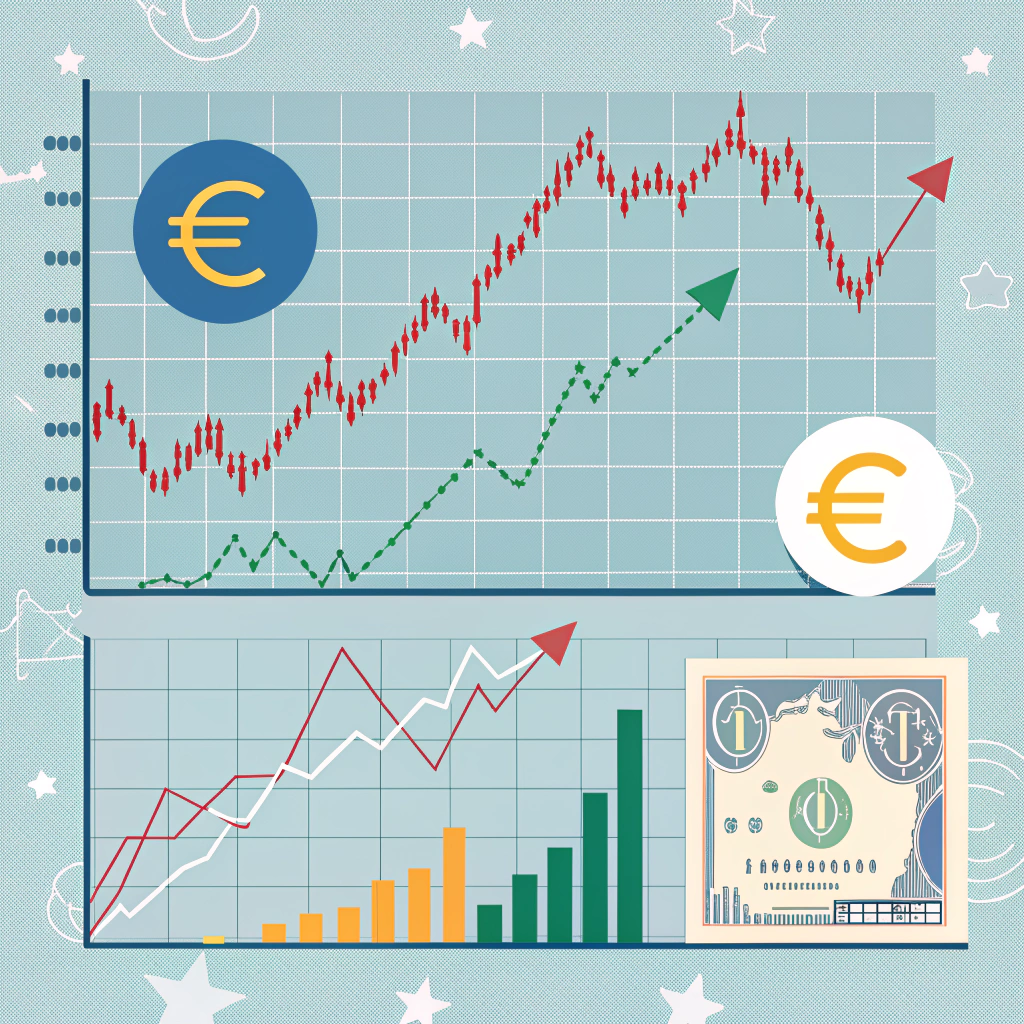
Will the Euro Hit Parity With the Dollar Again? The euro can hit parity with the dollar again—but only if a specific set of economic and market conditions align. Parity doesn’t happen because of panic or headlines alone. It happens when investors consistently believe the dollar offers better returns, greater safety, and stronger momentum than the euro.
This question matters because parity feels dramatic. Seeing EUR/USD near 1.00 triggers fear for travelers, businesses, and investors alike. But parity is not a collapse signal—it’s a price level shaped by psychology, expectations, and capital flows. Understanding what drives it helps you separate real risk from emotional noise and make smarter decisions when the euro weakens.
FAQs Euro Hit Parity
Conclusion Euro Hit Parity
- The Short Answer (Featured-Snippet Ready) Euro Hit Parity
Yes, the euro can hit parity with the dollar again if U.S. interest rates remain more attractive, global risk sentiment favors the dollar, and eurozone growth expectations stay weaker. Parity is a psychological level, not a sign the euro is broken.
- What “Parity” Actually Means Euro Hit Parity
Parity simply means:
1 euro = 1 U.S. dollar
That’s it.
There’s nothing magical about the number itself. Parity matters because:
it’s easy to remember,
it attracts media attention,
and many market participants anchor decisions around it.
In currency markets, round numbers often act as decision zones, not permanent floors or ceilings.
- The Conditions Required for Euro–Dollar Parity Euro Hit Parity
Parity doesn’t happen randomly. It usually requires several forces pushing in the same direction for an extended period.
These forces include:
sustained interest-rate advantages for the U.S.,
weaker relative growth in the eurozone,
persistent demand for USD as a safe haven,
limited confidence in near-term euro recovery.
When these conditions overlap, parity becomes more likely—not guaranteed, but plausible.
- Interest Rates and Yield Dominance
Interest-rate expectations are the foundation of parity moves.
If markets believe:
U.S. rates will stay higher for longer, and
the ECB will ease sooner or more aggressively,
then dollar assets look more attractive. Over time, that encourages capital to favor USD, pulling EUR/USD lower.
Why this matters more than headlines
Parity often approaches before any official decision. Markets move on anticipated policy paths, not confirmed actions.
[Expert Warning]
Waiting for “confirmation” before acting usually means responding after the biggest move has already happened.
- Risk Sentiment and Global Capital Flows
Parity is far more likely during risk-off environments.
When markets are nervous:
investors prioritize liquidity and safety,
USD demand increases,
non-dollar currencies—including the euro—face pressure.
This is why parity fears often resurface during
financial stress,
geopolitical tension,
recession concerns.
Parity isn’t about Europe alone—it’s about global behavior.
- Structural Pressures vs Temporary Shocks
Not every euro drop leads to parity.
Temporary shocks
one-off political events,
short-lived market panic,
isolated data misses.
These can push EUR/USD lower but rarely sustain parity.
Structural pressures
long-term yield gaps,
persistent growth divergence,
trade balance challenges.
These are the forces that keep the euro weak long enough for parity to become realistic.
[Pro-Tip]
Ask whether the pressure is structural or emotional. Structural pressure lasts. Emotional pressure fades.
- Information Gain: Why Parity Is More Psychological Than Economic
Most articles treat parity as a disaster scenario. That’s misleading.
Parity is powerful because of human behavior, not because it reflects economic collapse.
Why parity attracts attention
Humans anchor to round numbers.
Media amplifies dramatic levels.
Traders cluster orders around them.
This creates self-reinforcing volatility near parity. But once the level is tested, markets often reassess whether the underlying conditions justify staying there.
Parity is a checkpoint, not a verdict.
- Practical Table: Parity Drivers and Signals
| Signal | What It Suggests | Parity Risk | Practical Interpretation |
| U.S. yields rising vs euro yields | USD dominance | Higher | Expect euro pressure |
| ECB signals early easing | Weaker euro outlook | Higher | Avoid rushed conversions |
| Global markets turn risk-off | Safe-haven flows | Higher | USD favored |
| Eurozone growth stabilizes | Outlook improves | Lower | Parity less likely |
| Risk sentiment improves | Capital diversifies | Lower | Euro can recover |
- Common Mistakes and How to Avoid Them
Mistake 1: Treating parity as a collapse
Fix: Parity is a level, not a failure.
Mistake 2: Panic-converting everything at once
Fix: Use staged conversions to reduce regret.
Mistake 3: Assuming parity guarantees a rebound
Fix: Rebounds depend on expectation shifts, not price alone.
Mistake 4: Ignoring conversion mechanics
Fix: Hidden fees can cost more than the move to parity.
[Money-Saving Recommendation]
If parity fears are high, focus on how you exchange euros as much as when. Method matters.
- UNIQUE SECTION — Myth vs Reality Euro Hit Parity
Myth: If the euro hits parity, Europe is in crisis
Reality: Parity often reflects global USD strength
Myth: Parity is a guaranteed bottom
Reality: Prices can overshoot if conditions persist
Myth: Only traders should care about parity
Reality: Travelers, businesses, and investors all feel its impact
- What Parity Means for Real People
Travelers
Europe becomes more expensive for non-euro earners.
Budget planning matters more than perfect timing.
Businesses
Import costs can rise.
Hedging and staged payments reduce risk.
Investors
Currency risk can amplify or erase returns.
Diversification and awareness matter.
The takeaway: parity affects behavior, not just charts.
YouTube Embed (Contextual & Playable)
Embed an educational explainer such as:
“What Does Currency Parity Mean?”
Choose a macroeconomics or finance-education channel that focuses on explanation, not predictions.
- FAQs (Schema-Ready) Euro Hit Parity
Has the euro hit parity before?
Yes. Parity has occurred during periods of strong USD dominance.
Does parity mean the euro will collapse further?
No. It depends on whether underlying conditions persist.
Should I exchange euros if parity approaches?
Use a plan—don’t rely on panic or headlines.
Can ECB policy prevent parity?
Yes, if expectations shift meaningfully.
Is parity good or bad for Europe?
It has mixed effects—exports benefit, imports cost more.
- Conclusion Euro Hit Parity
The euro can hit parity with the dollar again—but only when rate expectations, risk sentiment, and global capital flows align against it. Parity is not a verdict on Europe’s future. It’s a psychological milestone shaped by markets and human behavior.
internal link
https://dailyeuros.com/index.php/2026/01/07/what-makes-the-euro-go-up-or-down-real-drivers
external link
https://www.pbs.org/newshour/economy/ask-the-headhunter/what-does-it-mean-that-the-euro-has-fallen-below-parity-with-the-dollar