Introduction EUR/USD
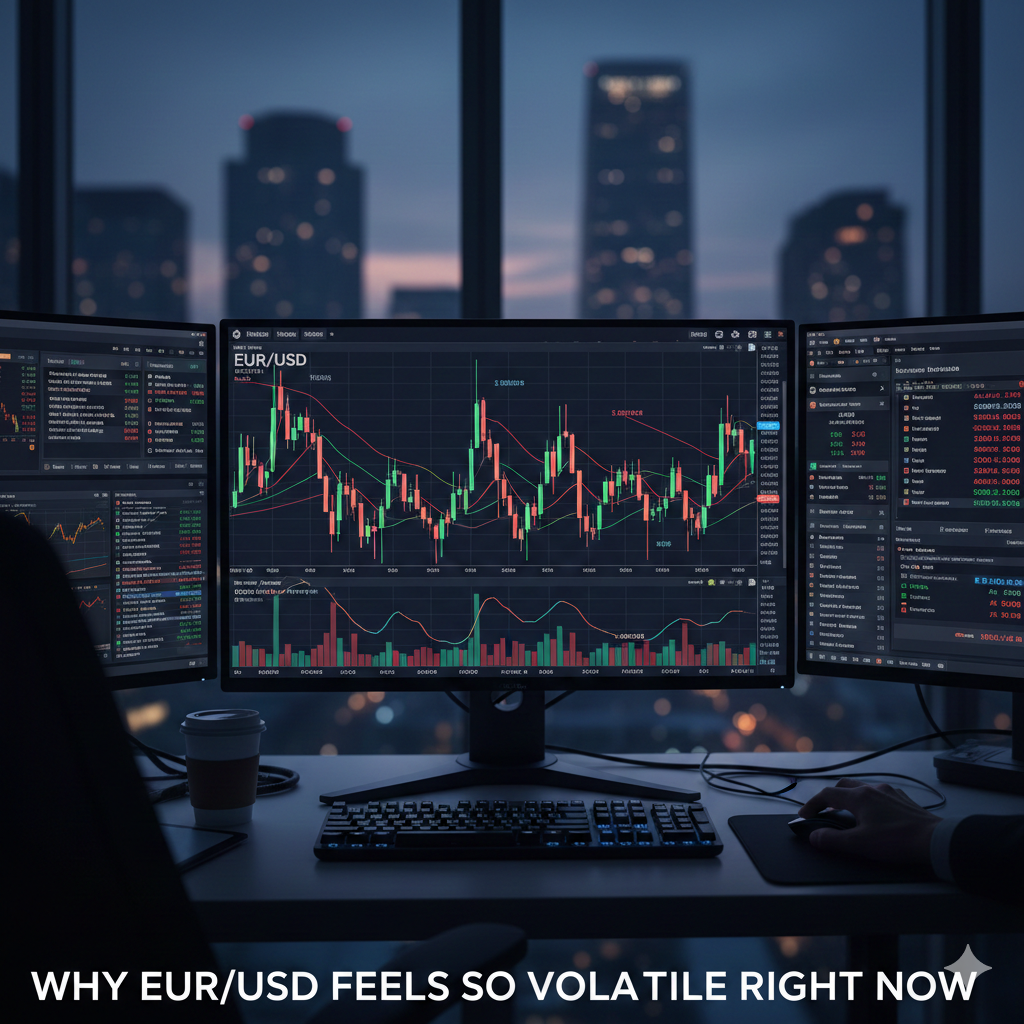
Why EUR/USD Feels So Volatile Right Now EUR/USD feels unusually volatile right now because markets are hypersensitive to expectations, liquidity is thinner than it used to be, and investors are constantly repricing what central banks might do next. Even small pieces of information can trigger outsized moves when positioning is crowded and confidence is fragile.
This matters because volatility changes behavior. Traders get whipsawed, travelers panic-exchange money, and businesses delay decisions hoping for calmer rates. Understanding why EUR/USD swings so sharply helps you respond strategically instead of emotionally—and avoid making decisions at the worst possible moment.
FAQs EUR/USD
Conclusion EUR/USD
- The Short Answer (Featured-Snippet Ready)
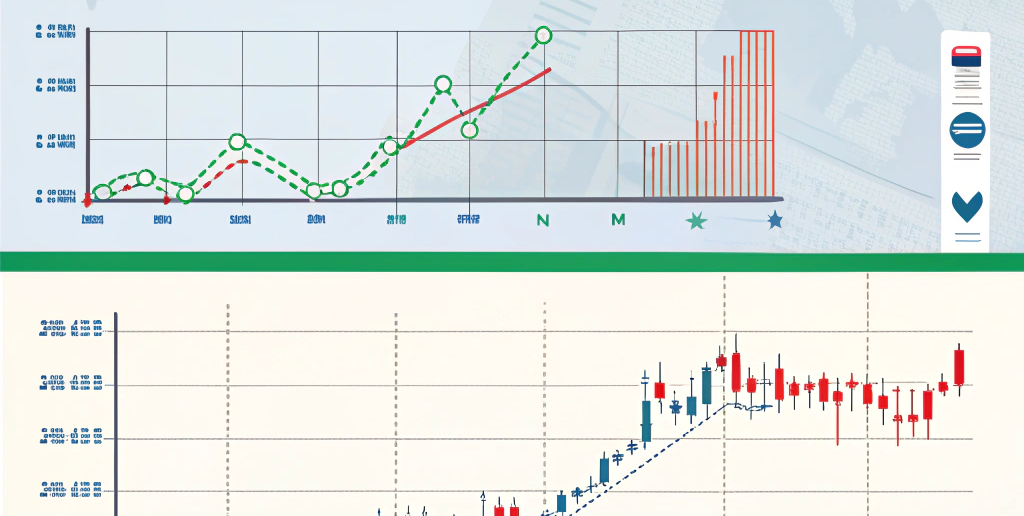
EUR/USD feels so volatile because markets are rapidly repricing interest-rate expectations amid thin liquidity and high uncertainty, causing small surprises to produce large, fast moves in both directions.
- Volatility vs Direction: Know the Difference
A common misunderstanding is assuming volatility means a new trend.
It doesn’t.
Direction answers: Where is EUR/USD going over time?
Volatility answers: How violently does it move along the way?
Right now, EUR/USD can swing sharply up and down without changing its broader direction. That’s frustrating—but it’s also normal when markets are uncertain.
[Expert Warning]
High volatility does not automatically signal a trend reversal. Many people lose money by confusing noise with a change in direction.
- Expectations Are Changing Faster Than Policy
Central banks move slowly. Markets move instantly.
EUR/USD volatility increases when:
investors constantly adjust expectations about future rate paths,
confidence in those expectations is low,
and every data release threatens to change the narrative.
Instead of waiting for decisions, markets trade possibilities:
“What if inflation surprises?”
“What if growth weakens?”
“What if rate cuts come earlier?”
When expectations are unstable, price becomes unstable too.
- Liquidity: Why Moves Feel Bigger Than Before
Liquidity refers to how easily assets can be bought or sold without moving price too much.
In recent years:
some market participants reduced exposure,
risk limits tightened,
and fewer large players are willing to absorb sudden moves.
The result: prices jump more easily.
A move that once required major news can now happen on moderate data or even commentary.
[Pro-Tip]
Sharp moves don’t always mean strong conviction. Sometimes they simply mean fewer buyers or sellers were available.
- Data Sensitivity and Headline Amplification
EUR/USD reacts strongly to data because:
markets are already nervous,
positioning is cautious,
and algorithms react instantly.
Even headlines that confirm expectations can trigger volatility if:
traders were positioned too aggressively,
liquidity is thin,
or sentiment flips suddenly.
Social media and financial news amplify this effect by compressing reaction time. Markets reprice before humans finish reading.
- Positioning and Stop-Loss Cascades
Another hidden volatility driver is positioning.
When many traders hold similar views:
stop-loss orders cluster,
breakouts accelerate,
price overshoots fundamentals.
Once stops trigger, price can move rapidly in one direction—then snap back when forced selling or buying ends
This creates the familiar pattern:
sharp move → confusion → reversal → renewed volatility
- Information Gain: Volatility Doesn’t Mean the Market Is “Lost”
Most articles treat volatility as chaos. That’s misleading.
Volatility is often a signal of disagreement, not ignorance.
Right now:
markets disagree about growth,
disagree about inflation persistence,
and disagree about central-bank timing.
When opinions diverge, price moves violently as those opinions compete.
Volatility often peaks near turning points, not because the market is wrong—but because it’s trying to decide.
[Expert Warning]
Volatility reflects uncertainty, not stupidity. Fighting it emotionally usually makes outcomes worse.
- Practical Table: Why EUR/USD Is So Volatile
| Cause | What’s Happening | Result in EUR/USD | Practical Meaning |
| Rapid expectation shifts | Rate paths constantly repriced | Fast swings | Avoid knee-jerk decisions |
| Thin liquidity | Fewer buyers/sellers | Exaggerated moves | Expect overshoots |
| Heavy positioning | Crowded trades | Stop cascades | Don’t chase breakouts |
| Algorithmic reactions | Instant headline trading | Sharp spikes | Delay action slightly |
| High uncertainty | Disagreement dominates | Choppy ranges | Focus on planning |
- Common Mistakes and How to Fix Them
Mistake 1: Trading every move
Fix: Volatility rewards patience more than activity.
Mistake 2: Assuming volatility equals opportunity
Fix: Opportunity depends on clarity, not movement.
Mistake 3: Panic-exchanging currency
Fix: Use staged conversions and predefined plans.
Mistake 4: Watching EUR/USD constantly
Fix: Fewer checks reduce emotional bias.
[Money-Saving Recommendation]
If volatility is high and you need euros, spreading conversions over time usually beats trying to pick the perfect moment.
- UNIQUE SECTION — Practical Insight From Experience
In real-world market environments, professionals often do less when volatility spikes.
They:
widen decision windows,
reduce position size,
wait for confirmation.
Retail participants often do the opposite—trading more aggressively just when conditions are least predictable. Recognizing this behavioral trap is one of the most valuable lessons volatility can teach.
- What Volatility Means for Real People
Trav
Rates can swing quickly.
Budget buffers matter more than perfect timing.
Businesses
Payment timing risk increases.
Hedging or staged payments reduce stress.
Investors
Currency moves can amplify portfolio swings.
Long-term perspective matters most.
Volatility doesn’t demand action—it demands structure
YouTube Embed (Contextual & Playable)
Embed an educational explainer such as:
“Why Currency Markets Are So Volatile”
Choose a macro or economics-focused channel that explains liquidity, expectations, and positioning—not short-term predictions.
- FAQs (Schema-Ready)
Why does EUR/USD move so fast now?
Because expectations change quickly and liquidity is thinner.
Is volatility a sign of a new trend?
Not necessarily. It often reflects uncertainty.
Should I exchange money during volatile periods?
Use a plan—avoid all-or-nothing decisions.
Does volatility benefit traders?
Only those with discipline and risk control.
Will volatility calm down eventually?
Yes, once expectations stabilize.
- Conclusion
EUR/USD feels volatile because markets are uncertain, liquidity is thin, and expectations shift rapidly. That doesn’t mean the market is broken—it means participants are reassessing the future in real time.
intrnal link
https://dailyeuros.com/index.php/category/euro-basics/
extrnal link
What Is EUR/USD: Definition & Facts (Invest‑Hub)